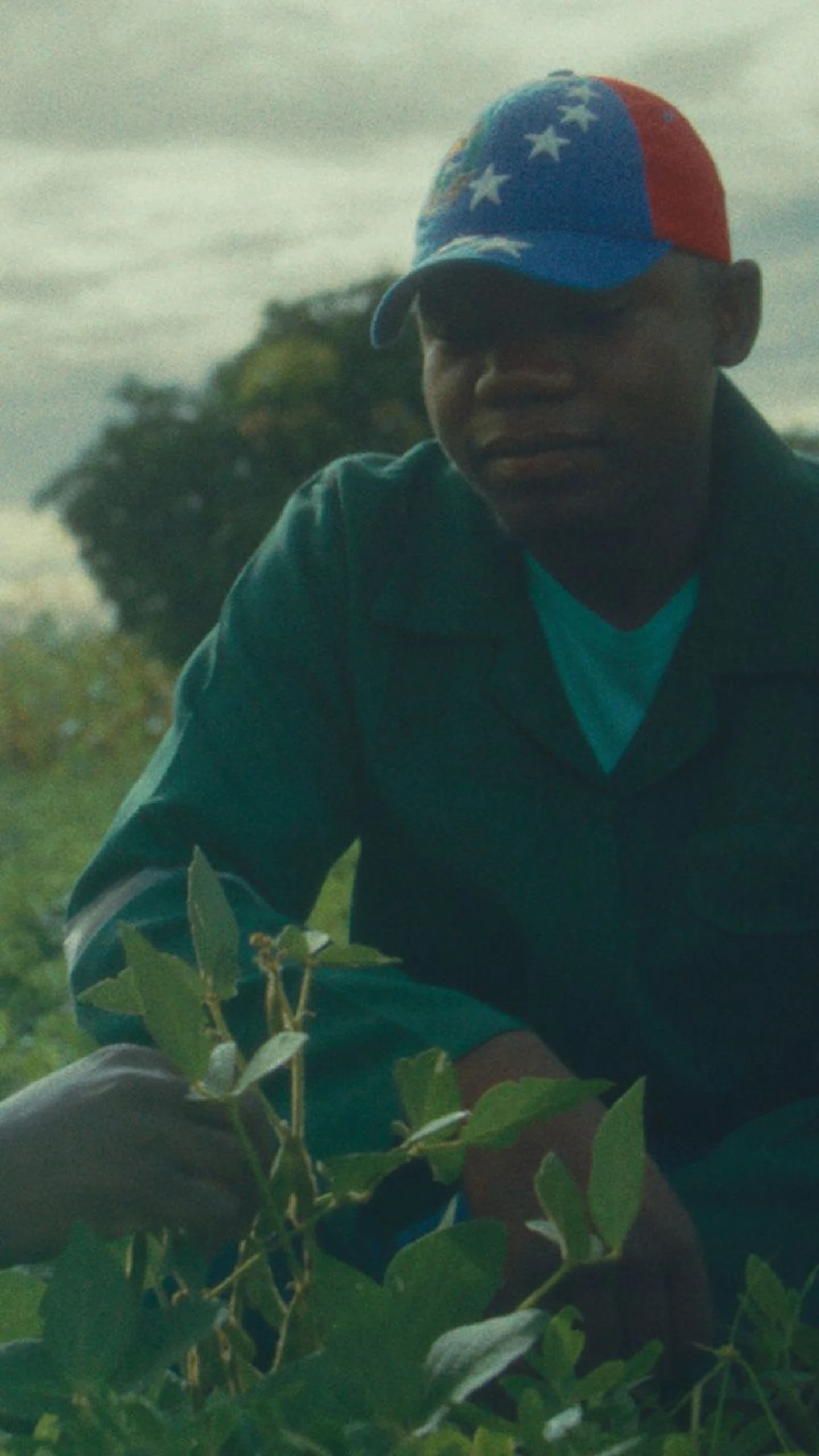
Growing the next generation: Supporting young ‘agripreneurs’
00:00 / 00:00

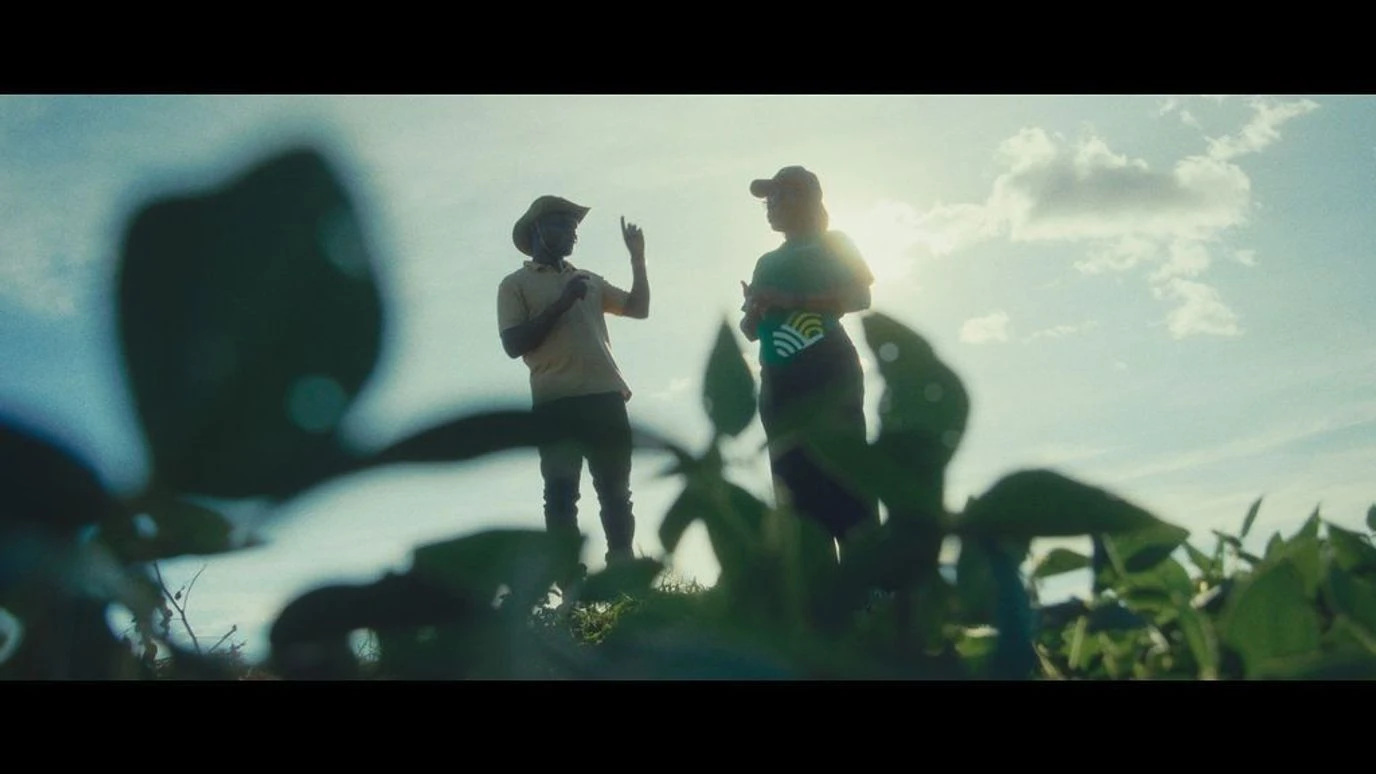
The Youth Entrepreneurship for the Future of Food and Agriculture programme (YEFFA), launched in 2023, is a multi-year programme managed by AGRA in partnership with the Mastercard Foundation. Established as a youth engagement programme to encourage the younger generation to venture into the agricultural sector and the agri food industry, it aims to drive sustainable economic inclusion for young people (18–35 years) across Africa. YEFFA also aims to engage 10 million unemployed and underemployed youths across Africa and create work opportunities for 1.5 million young people – 50% of them women.
By using a variety of initiatives that are integrated throughout the agricultural ecosystem, the YEFFA programme is designed as a multifaceted approach to supporting youth entrepreneurs facing challenges with productivity and growth through training, connections to markets, access to finance and farming inputs, policy support, and agricultural skills. The programme has reached 1.7 million youths so far, in Burkina Faso, Ghana, Malawi, Mali, Mozambique, Rwanda and Tanzania – some have already become ‘agripreneurs’.
AGRA is an African-led non-profit organisation that works with partners across the continent’s food systems with the goal of enabling smallholder farmers to prosper and grow.
The Mastercard Foundation is a registered Canadian charity and one of the largest foundations in the world. It works with “visionary organisations” to advance education and financial inclusion to enable young people in Africa and Indigenous youth in Canada to access fulfilling work.

A young agrodealer in Malawi
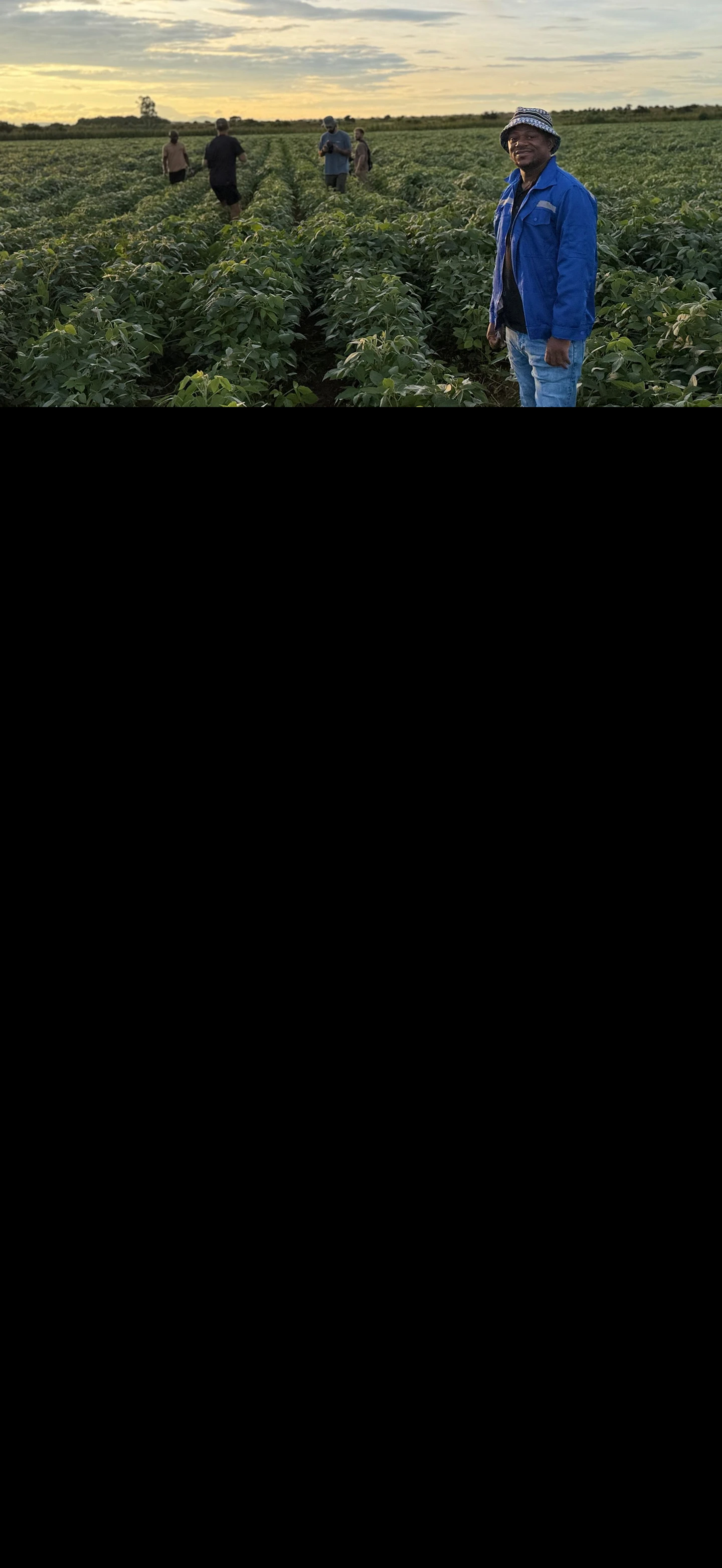
Emmanuel Mwanza is one such “agripreneur”. Fresh out of school, he noticed a problem in his local agricultural industry in Malawi. AGRA’s seed-systems experts estimate that in parts of Africa, up to 50% of seed on the market may be low-quality counterfeit or illegal which can lead to a deterioration in quality of the product as well as a dramatic reduction or complete loss of crop yield. Mwanza saw an opportunity to provide farmers with access to high-quality inputs.
Funded through the YEFFA initiative, Mwanza joined an agrodealer training programme. Now, he runs an agrodealer business – Gojet Investments – selling certified high-yield seeds, and other agro-supplies.
The growth of Mwanza’s business, he says, is down to strong relationships as much as good quality products. With its focus on ecosystem change, he describes how the YEFFA programme has helped him build working partnerships with certified seed companies, who provide him with seeds optimised for Malawi’s dry climate, and the Farmers Union of Malawi, a trade body that links him with the farmers that need them.
Trust is key. “The Farmers Union is like a bridge,” says Mwanza, “and when they tell their farmers you can buy from Gojet Investments, it’s easy for farmers to trust me,” he adds. He also builds trust by employing agronomists to advise farmers on good agricultural practices with the aim of improving productivity and sustainability.
To keep goods flowing along the value chain, Mwanza sells inputs to farmers clubs – where smallholders can purchase products more cost-effectively as a group – and then buys commodities from these farmers in a mutually beneficial cycle.
Access to mechanisation in Ghana
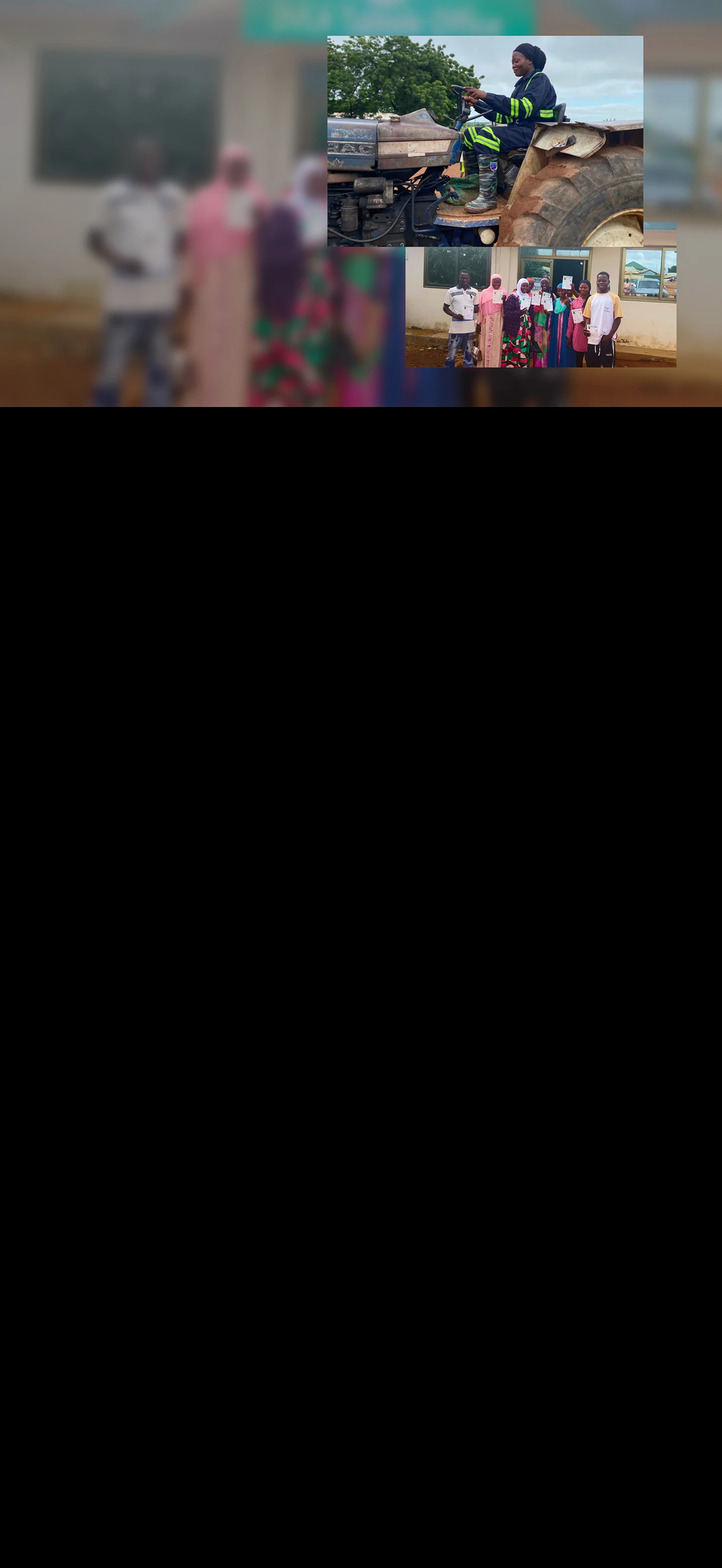
In Ghana, only 23% of agriculture is mechanised, meaning the majority of farm work in the country is done by hand. Kofi Nyanteng runs a project that is working to change this, while helping to address youth unemployment.
Supported by the YEFFA programme, Nyanteng is helping young people – and young women, in particular – to upskill their knowledge of mechanised agricultural tools. Once trained, he then supports them with access to financing to purchase equipment, and links them with the farmers who need their services.
Since its launch in July 2025, the programme has onboarded more than 7,000 young people, over 70% of whom are female. “We call it ‘simple tools, greater impact’”, says Nyanteng. “These small tools are able to create more jobs that are scalable and replicable.”
This project is important, Nyanteng explains, because it provides support throughout the value chain, from operating machinery to renting equipment, and transporting, aggregating and selling produce. “We are coordinating the entire ecosystem so young people, especially young women, can succeed,” he concludes.
Uplifting women in Mozambique
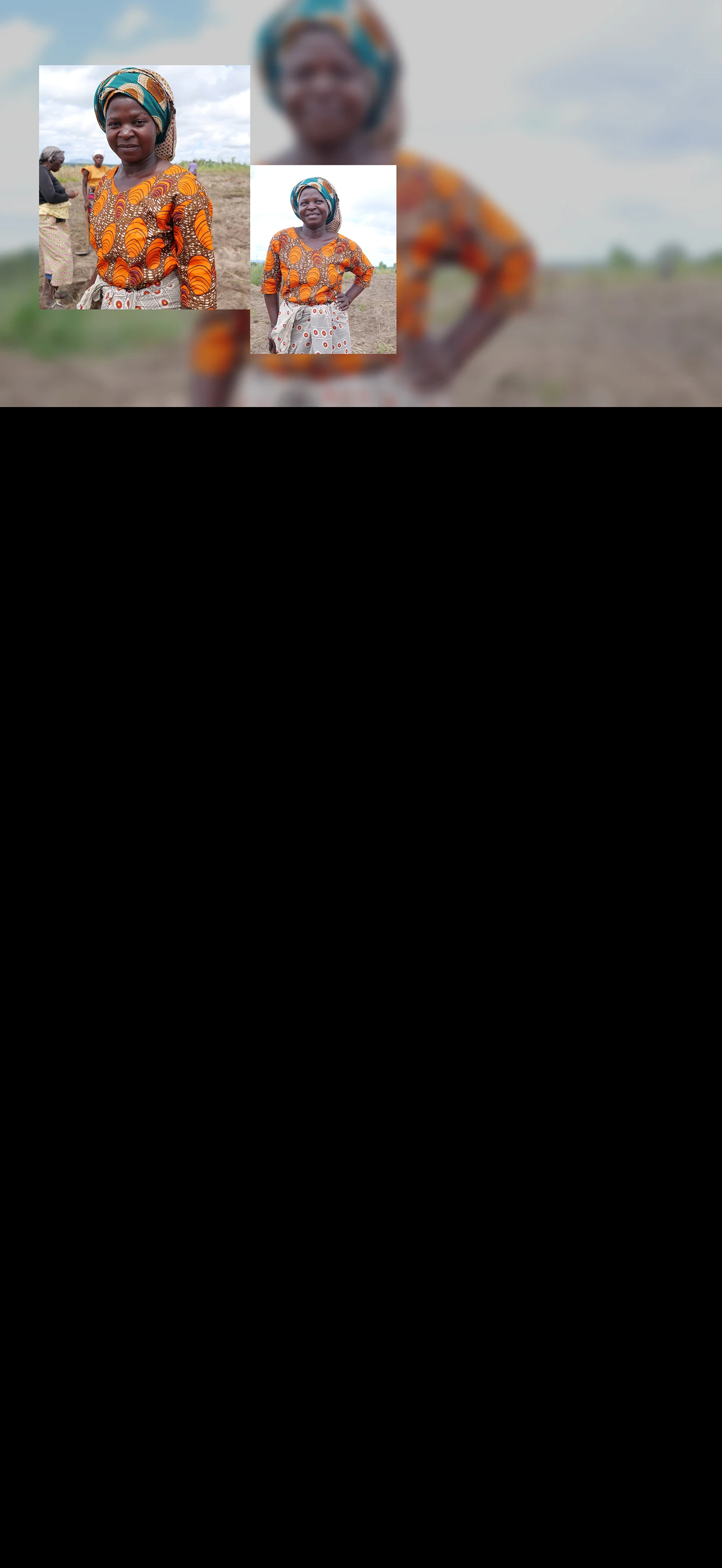
Laura Cadoso, an independent village-based adviser in Mozambique, echoes Nyangteng’s sentiment. “Agriculture helps women become independent,” she says. But instead of focusing on equipment and tools, Cadoso is working to strengthen the agricultural sector via training, business education and market access for produce.
Cadoso’s training was funded by YEFFA. Now, she provides in-the-field training in “learning plots” to groups of facilitators, who then transfer their knowledge to farmers in their local areas.
She also plays an important role in selling farmers’ produce. Thanks to YEFFA’s efforts to open up market access, Cadoso is able to forge partnerships with local businesses to arrange advance payments to bulk buy produce – for example, 30 tonnes of maize from several communities – and then sell it through organised market channels. She also aggregates crop supply, which enables farmers to sell crops collectively to larger buyers.
As a personal endeavour, Cadoso is also keen to nurture business skills in women farmers, so she has set up an association in which members who have received an education teach the group basic literacy and financial skills, such as record keeping and how to save.
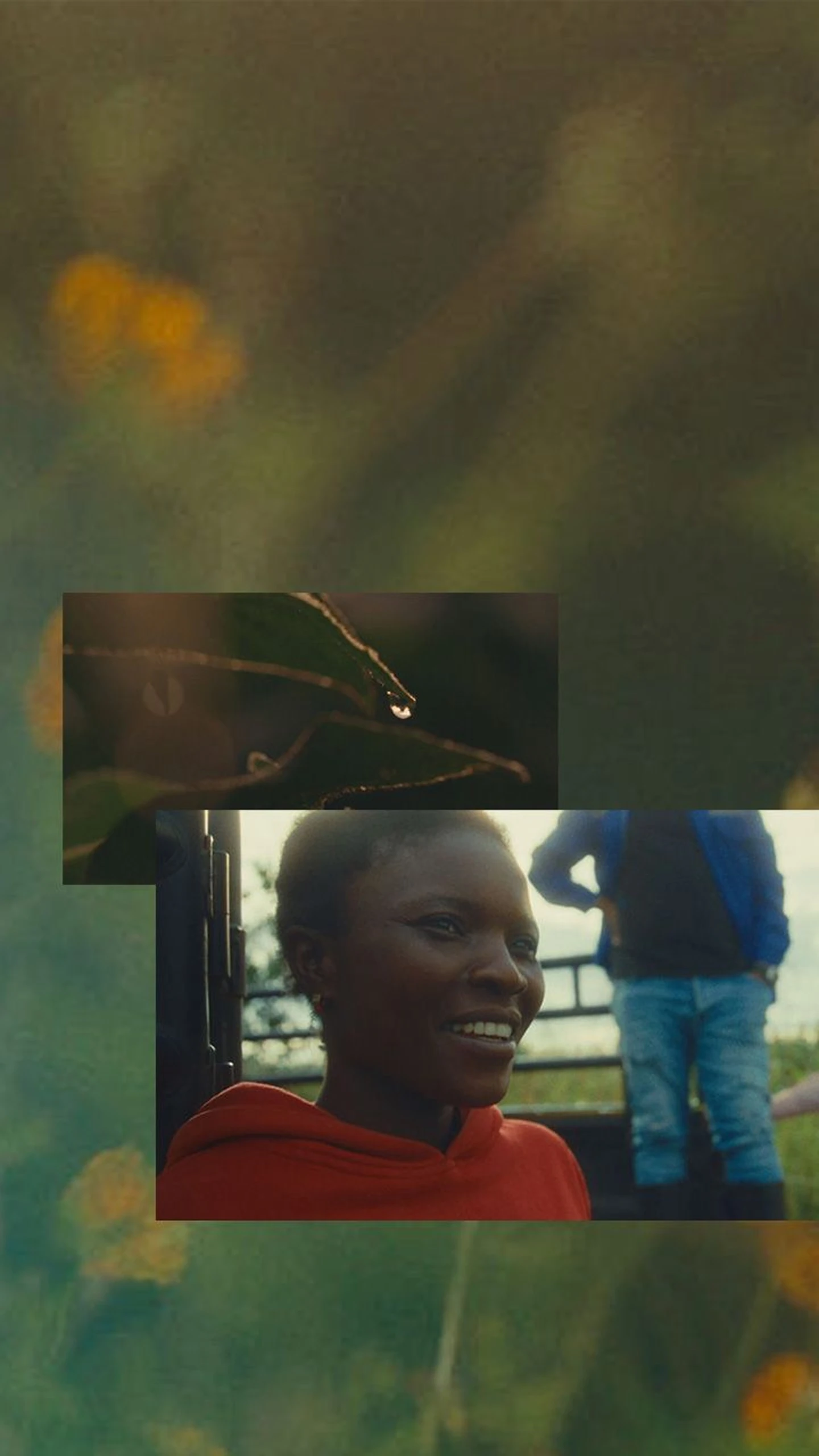
“We are coordinating the entire ecosystem so young people, especially young women, can succeed.”
Kofi Nyanteng
A solo farmer turned ‘agripreneur’ in Tanzania
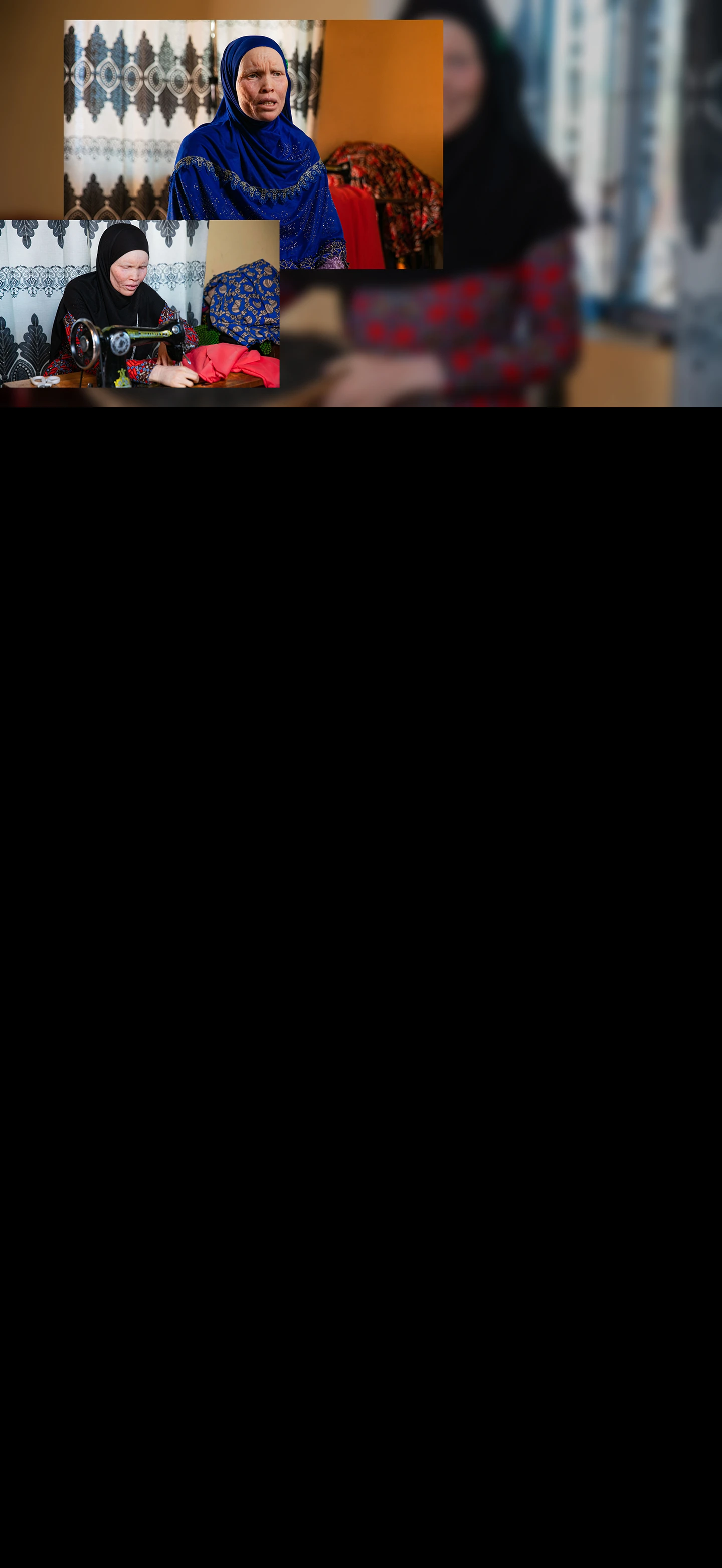
Rehema Rashid’s story is another example of how YEFFA is working to enable young women to realise their potential.
Rashid has always grown sunflowers. A few years ago, she would work alone harvesting six bags per acre; now, she harvests double that amount and works year-round producing crude sunflower oil, refined oil, and sunflower cake (a by-product used for animal feed).
After learning better agricultural practices for sunflower farming and understanding how to process the seeds to produce commodities, Rashid gained the knowledge and confidence to grow her business. As an independent village-based advisor and lead farmer, she now employs 30 people in Kaselia village, Tanzania.
The journey has been one of personal growth, too. Rashid has albinism – a rare genetic condition that results in a lack or absence of melanin in the skin, which protects it from UV rays. This made working long hours in the sun a challenge. “Poverty and disability once made me feel weak and discouraged,” she says. “I now dream bigger. I moved from having no income and struggling to survive to aspiring to become a large-scale businesswoman.”
Now, Rashid says she is using her profits to buy more land, her farm has become a learning centre for youths, and, together with a group of people with special needs, she describes how she has established a sunflower oil processing facility in her village.
As these stories show, YEFFA’s programme isn’t just training individuals, it is working to build agri-food ecosystems that have the potential to support scalable jobs and a more resilient Africa.

“I now dream bigger. I moved from having no income and struggling to survive to aspiring to become a large-scale businesswoman.”
Rehema Rashid
Sunflower farmer

Advertisementfeature presented by


AGRA
AGRA is driven by a vision of an Africa that can feed itself and the world, transforming agriculture from a solitary struggle for survival into a thriving, resilient sector. By mobilising partners across the continent’s food systems, AGRA enables farmers to prosper and supports nations in achieving growth.Youth Entrepreneurship for the Future of Food and Agriculture (YEFFA)... grow your tomorrow, today.
Find out more